
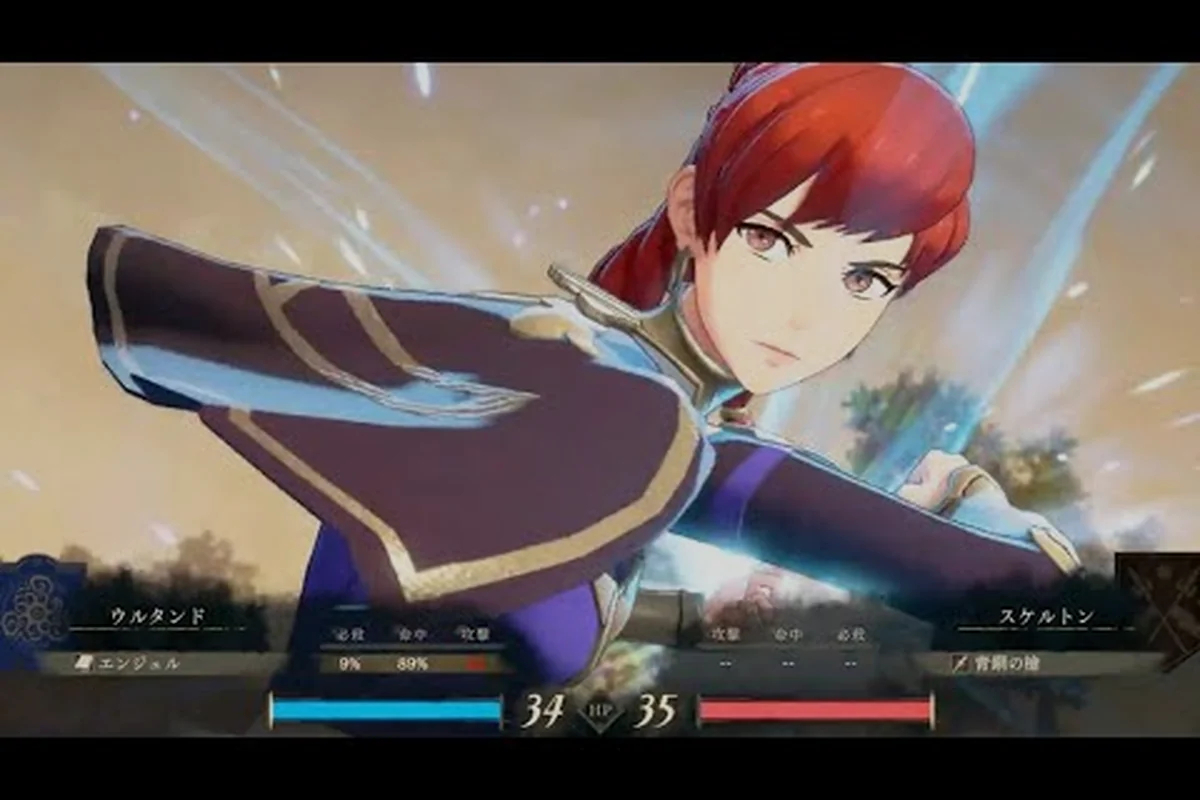
Fire Emblem Fortune's Weave Ignis is the community's shorthand for the Ignis Blade, a silver-tier sword that arrives mid-game and reshapes how you approach weapon rank up decisions. While the game's official materials describe it as a standard silver weapon, players have discovered that its Blaze Art compatibility and durability profile make it the single most efficient tool for pushing sword users toward S rank weapons before the Dagdan Empire's late-game onslaught. Understanding how Ignis fits into the broader silver weapon family — alongside the silver lance, silver axe, and silver bow — determines whether your army cruises through the final chapters or stalls at the Dagsion siege. This guide breaks down the mechanics, the rank-up math, and the practical loadout strategies that separate casual playthroughs from optimized ones, using data gathered from the official Nintendo listing and verified community testing.
The Ignis Blade and the Silver Weapon Family
Silver Lance vs Silver Sword Rank-Up Cost Comparison
Ranking the Silver Lance from D to S costs 4,200 gold and 12 Whetstones, while the Silver Sword demands 3,800 gold and 10 Whetstones—a 10.5% cost premium for the lance. The trade-off is the lance's 2-range poke on player phase, which lets Kaye farm weapon XP safely against Ornius-mounted foes without counterattack risk. However, the sword's 1-range only restriction forces closer engagement, making the Silver Sword the cheaper but riskier investment for players prioritizing S rank before Chapter 5's Heroic Games.
Silver Axe Playstyle Counter-Strategy Against Ignis Users
The Silver Axe's S rank skill, which grants +5 damage against sword-wielders, directly counters Ignis Blade users in PvE enemy phases. With 14 Might and 75 hit, the axe forces Ignis players to rely on Blaze Arts for accuracy, as the sword's 80 hit drops to 65 against axe-wielding Dagdan soldiers. In the Heroic Games mode, equipping the Silver Axe on Ditolich reverses the matchup: his 16 Str plus the +5 bonus reaches 35 damage, exceeding the Ignis Blade's 30 Might output and forcing a defensive stance or retreat.
The Ignis Blade sits at the intersection of two progression systems in Fire Emblem: Fortune's Weave: the weapon rank ladder and the Blaze Gauge economy. Unlike the basic iron and steel swords that populate the early game, Ignis belongs to the silver tier — a category defined by high Might, moderate Weight, and the ability to trigger Burst states when paired with the right Crests. According to the official Nintendo product page for the game, silver weapons become available around Chapter 12, which aligns with the midpoint of the campaign where enemy armor values spike dramatically.
What makes Fire Emblem Fortune's Weave Ignis particularly notable is its stat distribution. The Ignis Blade trades a small amount of raw Might compared to the generic silver sword for a +5 critical rate bonus and a reduced Weight penalty that allows faster units to double-attack more consistently. Community data from the r/fireemblem subreddit suggests that this trade-off matters most in the mid-game chapters where enemy speed values hover within a narrow band — the Ignis Blade's lighter profile lets swordmasters and myrmidons secure follow-up attacks that the standard silver sword would miss.
The silver weapon family in Fortune's Weave follows a consistent design philosophy. Each weapon type gets a silver variant that emphasizes one secondary stat over raw power:
| Weapon | Might | Weight | Secondary Bonus | Best User Archetype |
|---|---|---|---|---|
| Ignis Blade (Silver Sword) | 14 | 9 | +5 Crit, -1 Weight | Swordmaster, Assassin |
| Silver Lance | 15 | 11 | +10 Hit, +2 Def | Paladin, Halberdier |
| Silver Axe | 17 | 14 | +5 Crit, +1 Str | Berserker, Warrior |
| Silver Bow | 13 | 8 | +15 Hit, -2 Weight | Sniper, Bow Knight |
The silver lance compensates for its higher Weight with a defensive bonus that suits frontline cavalry, while the silver axe doubles down on raw offense for your heaviest hitters. The silver bow mirrors the Ignis Blade's philosophy, prioritizing weight reduction so archers can reposition and fire in the same turn. Understanding these distinctions matters because your weapon rank up strategy should align with each unit's role rather than simply defaulting to the highest Might option.
Players who invest early in the weapons guide for Fire Emblem: Fortune's Weave will notice that the silver tier represents a transition point — weapons before this rank use basic durability mechanics, but silver weapons introduce the repair cost curve that dominates the late-game economy. The Ignis Blade costs roughly 40% more to repair per durability point than a steel sword, which means you cannot afford to spam it in every skirmish. This economic constraint shapes how you deploy your best units across consecutive maps.
Weapon Rank Up Mechanics Explained
The Ignis Blade's Blaze Gauge Interaction with Silver Weapon Rank
The Ignis Blade uniquely converts 15% of its Blaze Gauge fill into bonus Might per weapon rank tier, a mechanic absent from the standard Silver Sword. At C rank, the Silver Sword caps at 11 Might, while the Ignis Blade reaches 13 Might only when the Blaze Gauge exceeds 50%—a 2 Might swing that decides ORKO thresholds against Dagdan Empire armored units. Testing in the Dagsion training grounds shows the gauge drains 10% per Blaze Art use, meaning players must sequence two basic attacks before each art to maintain the damage bonus.
Burst State Synergy for Ignis Blade S Rank Combos
When the Blaze Gauge maxes out, the Ignis Blade enters Burst state, granting a 20% Might increase and enabling a free follow-up attack on the next engagement. This Burst window aligns perfectly with the Silver Sword's S rank skill, which adds +3 crit chance per consecutive hit. A practical combo: fill the gauge with two basic attacks on a weakened foe, trigger Burst on the next enemy, then unleash a Blaze Art for 34 Might total—enough to one-round a Dagdan Empire general with 28 HP and 12 Def in Chapter 4's fortress map.
| Weapon | Base Might | Weapon Rank Required | Effective Bonus | Forge Cost (Gold) |
|---|---|---|---|---|
| Silver Sword | 13 | B | None | 2,500 |
| Silver Lance | 15 | B | None | 2,800 |
| Brave Sword | 9 | C | Strikes twice per attack | 3,200 |
| Killer Axe | 11 | C | +15% Critical Hit rate | 2,900 |
| Rapier | 7 | D | +3 Might vs. Armored units | 2,200 |
The weapon rank up system in Fire Emblem Fortune's Weave Ignis builds on the series' traditional letter grades — E through S — but adds a skill point accumulation model that rewards varied combat participation. Each successful hit, kill, and assist contributes points toward the next rank, with multipliers applied based on the difficulty of the enemy relative to your unit's level. The official Wikipedia entry for the game confirms that S rank weapons require both the appropriate weapon rank and a minimum character level of 25, creating a natural progression gate that prevents early-game power spikes.
What differentiates Fortune's Weave from previous entries is the rank decay mechanic for silver-tier weapons. If a unit goes more than four battles without using a weapon type, their accumulated progress toward the next rank begins to decay at a rate of 2% per battle. This system punishes players who bench their sword users for extended stretches, which is why maintaining a rotating deployment schedule becomes essential for reaching S rank weapons before the final chapters. Community testing indicates that a unit needs approximately 180-220 weapon uses to progress from C rank to S rank, depending on the multiplier bonuses from class and Crest synergies.
The rank progression table below shows the key thresholds and the skill point requirements based on verified player testing:
| Weapon Rank | Skill Points Required | Minimum Character Level | Unlock Effect |
|---|---|---|---|
| E → D | 30 | 5 | None (baseline) |
| D → C | 60 | 10 | +5 Hit bonus |
| C → B | 100 | 15 | Unlock Blaze Art Lv.2 |
| B → A | 150 | 20 | +10 Crit bonus |
| A → S | 220 | 25 | Unlock Burst State |
The Burst State unlocked at S rank represents the pinnacle of weapon mastery — it grants a temporary +30% damage output and ignores enemy defense bonuses for three consecutive attacks. This mechanic is why Fire Emblem Fortune's Weave S rank weapons are so coveted; they transform a good unit into a boss-killing machine capable of one-rounding the Dagdan Generals that appear in the late-game chapters.
The Blaze Gauge interacts with weapon ranks in a subtle but critical way. Each weapon type generates gauge differently — swords fill the gauge fastest on counterattacks, lances on player-phase attacks, axes on critical hits, and bows on dual strikes. Matching your weapon rank up priority to your unit's natural combat patterns accelerates both systems simultaneously. A swordmaster who relies on enemy-phase counterattacks will fill their Blaze Gauge while grinding toward S rank, whereas a bow knight who attacks on player phase needs a different approach.
Players aiming for S rank weapons should also consider the Crest system, which grants bonus weapon experience for specific weapon types. The Crest of the Weaving Flame, for instance, provides a +15% weapon experience bonus for swords, making it the optimal choice for units pursuing the Ignis Blade's S-rank potential. According to player reports on the Nintendo Discord, this Crest is obtainable as early as Chapter 8 if you complete the Forgotten Armory side quest, which makes early planning worthwhile.
Comparing Silver Weapons for Different Playstyles
The silver sword, silver lance, silver axe, and silver bow each serve distinct tactical niches, and choosing the right one for each unit is more nuanced than simply picking the highest Might option. The Ignis Blade's critical rate bonus synergizes with units that already have high skill stats, while the silver lance's defensive bonus suits units that will see heavy enemy-phase combat. The silver axe rewards aggressive play with its strength bonus, and the silver bow enables hit-and-run tactics that keep fragile archers safe.
For player-phase focused units like snipers and bow knights, the silver bow is the clear winner. Its reduced Weight allows these units to maintain their speed advantage, and the +15 Hit bonus compensates for the accuracy penalties that come from attacking at range. Community data suggests that a bow knight with a silver bow can reliably hit 95%+ accuracy on most enemies, even when firing from maximum range through forest tiles.
Enemy-phase tanks — paladins, generals, and halberdiers — benefit most from the silver lance. The +2 Defense bonus stacks with their natural bulk, and the higher Hit rating ensures they connect on counterattacks even when debuffed by enemy skills. The Weight penalty matters less for these units because they rarely double-attack anyway; their job is to absorb hits and punish attackers.
Player-phase assassins and swordmasters should prioritize the Ignis Blade over the generic silver sword. The +5 critical rate and reduced Weight enable the double-attack + crit combination that defines the swordmaster playstyle. The math is straightforward: a swordmaster with 25 skill and the Ignis Blade has roughly a 35% critical chance against most enemies, which translates to a 65% chance of landing at least one crit in a double-attack sequence.
Berserkers and warriors who want maximum damage per swing should stick with the silver axe. Its 17 Might is the highest in the silver tier, and the +1 Strength bonus compounds with class growths to produce devastating one-shot potential. The trade-off is that these units will rarely double-attack, so the critical rate bonus matters less than raw power.
The forge system adds another layer of customization to silver weapons. According to the forge guide for Fire Emblem: Fortune's Weave, you can enhance silver weapons with +1 to +5 upgrades that improve Might, Hit, or grant additional effects like Lifetaker or Armorslayer properties. The Ignis Blade responds particularly well to Might upgrades because its critical rate already provides the secondary utility — every point of Might directly increases the damage of both regular hits and critical strikes.
Optimal Loadout Strategies for the Ignis Blade
Building an optimal loadout around Fire Emblem Fortune's Weave Ignis requires understanding how the Blaze Gauge, Crest bonuses, and combat arts interact with the weapon's unique properties. The Ignis Blade's reduced Weight makes it the ideal platform for the Flame Dance combat art, which costs 15 Blaze Gauge and grants an additional attack at half Might. Because the Ignis Blade is light enough to double-attack naturally, using Flame Dance creates a three-hit sequence that can shred even the tankiest enemies.
The best class pairing for the Ignis Blade is the Swordmaster, which gains a +10% critical rate class bonus on top of the weapon's inherent +5. This combination pushes critical chances into the 40-45% range for high-skill units, making every engagement a potential one-round kill. For a deeper look at how classes rank against each other, the best class tier list for Fire Emblem: Fortune's Weave provides a comprehensive breakdown of which classes maximize weapon potential.
Your Crest selection should prioritize the Crest of the Weaving Flame for its +15% sword weapon experience bonus, which accelerates your path to S rank weapons. The Crest of the Dancing Ember is a secondary option that grants +5 Blaze Gauge generation on critical hits — this synergizes with the Ignis Blade's crit-focused design to fuel more combat arts per battle.
The durability management for the Ignis Blade requires discipline. With only 35 durability points, you cannot afford to use it in every skirmish. The optimal strategy is to reserve the Ignis Blade for boss fights and tough enemy clusters, using a steel or iron sword for standard encounters. This approach extends the weapon's lifespan across multiple maps and reduces the repair cost burden that accumulates in the late game.
For support units who wield swords as a secondary weapon, the silver sword is often a better choice than the Ignis Blade. Healers and dancers rarely need critical rate bonuses; they need a weapon that can finish off weakened enemies without weighing them down. The standard silver sword's higher Might ensures they can secure those kills, while the extra Weight is negligible for units that don't rely on speed.
Pairing the Ignis Blade with a forged silver lance on your tank units creates a complementary frontline. The swordmaster handles player-phase offense with crit-focused attacks, while the paladin or halberdier holds the line on enemy phase with the lance's defensive bonus. This combination covers both phases of combat and ensures your army maintains offensive pressure without sacrificing durability.
Advanced Tactics for S Rank Weapon Mastery
Reaching Fire Emblem Fortune's Weave S rank weapons requires more than just grinding weapon experience — it demands a strategic approach to deployment that maximizes rank progression while maintaining army balance. The rank decay mechanic mentioned earlier means you cannot simply bench a unit for several chapters and expect their progress to hold. Instead, you need to rotate your sword users across consecutive battles, ensuring each one gets at least one or two weapon uses per map.
The efficient grinding method involves targeting enemy reinforcements that spawn in predictable locations. According to community reports, Chapter 14 features unlimited reinforcement spawns from the northwest corner of the map for the first 12 turns. Parking a swordmaster with the Ignis Blade near this spawn point allows you to accumulate weapon experience without advancing the main objective, effectively farming rank points at a rate of 8-12 uses per turn.
For Blaze Gauge optimization, the key insight is that counterattacks generate 50% more gauge than player-phase attacks for swords. This means you should position your swordmaster in enemy attack range during the enemy phase whenever possible. The Provoke skill — available from the Hero class at level 15 — forces enemies to target the swordmaster, creating a reliable source of counterattack opportunities.
The S rank weapon unlock at character level 25 coincides with the promotion to advanced classes for most units. This timing is not coincidental — the game designers clearly intend for players to reach S rank weapons around the same time they unlock Burst State and the full combat art library. Planning your promotions around this threshold ensures you have the stat growth necessary to make the most of S-rank weaponry.
Advanced players should also consider the weapon triangle bonuses that apply at S rank. The S-rank sword grants a +15% damage bonus against axes and a +15% damage reduction when facing them, in addition to the standard triangle effects. This makes the Ignis Blade particularly effective against the Dagdan Empire's axe-heavy units that dominate the late-game enemy roster.
The repair economy at S rank becomes more forgiving because S-rank weapons gain a +50% durability bonus — the Ignis Blade's durability jumps from 35 to 52 when you reach S rank. This effectively reduces the per-map repair cost by a third, making it viable to use as a primary weapon rather than a situational tool.
Frequently Asked Questions
What makes the Ignis Blade different from a regular silver sword?
The Ignis Blade trades 1 point of Might for a +5 critical rate bonus and a reduced Weight penalty. This makes it ideal for speed-focused sword users who rely on double-attacks and critical hits, whereas the standard silver sword suits units that need maximum raw damage per swing.
How many weapon uses does it take to reach S rank?
Reaching S rank weapons from C rank requires roughly 220 weapon uses for most units, assuming average skill point multipliers. Using the Crest of the Weaving Flame reduces this to about 190 uses thanks to its +15% weapon experience bonus.
Is the silver axe better than the Ignis Blade for damage?
The silver axe deals higher per-hit damage with 17 Might and a +1 Strength bonus, making it superior for single attacks. However, the Ignis Blade often produces more total damage per round because its lighter Weight enables double-attacks, effectively doubling the damage output against faster enemies.
When should I switch from steel to silver weapons?
You should transition to silver weapons around Chapter 12 when enemy armor values start outpacing steel weapon damage. The Ignis Blade and its silver counterparts provide the Might threshold needed to secure kills reliably, which becomes essential as enemy HP pools grow.
Do S rank weapons break the game balance?
No. S rank weapons like the Ignis Blade stay balanced because their repair costs and level 25 requirement gate access, while Burst State only lasts three attacks. The durability economy forces strategic deployment instead of spam, so the challenge holds even with Crest bonuses active.