The Fire Emblem Fortune's Weave past present divide is the single most important lens for understanding the entire narrative, because the game's continent was literally reshaped by a 1,500-year gap between two distinct eras. Every ruin you explore, every Crest you inherit, and every political faction you meet traces back to that fracture, which means knowing what changed and what survived is the difference between following the plot and actually understanding it. Get ready to map the timeline, because the past isn't just prologue here—it's the foundation of every battle you'll fight on Switch 2.
The Two Eras That Define the Fortune's Weave Timeline
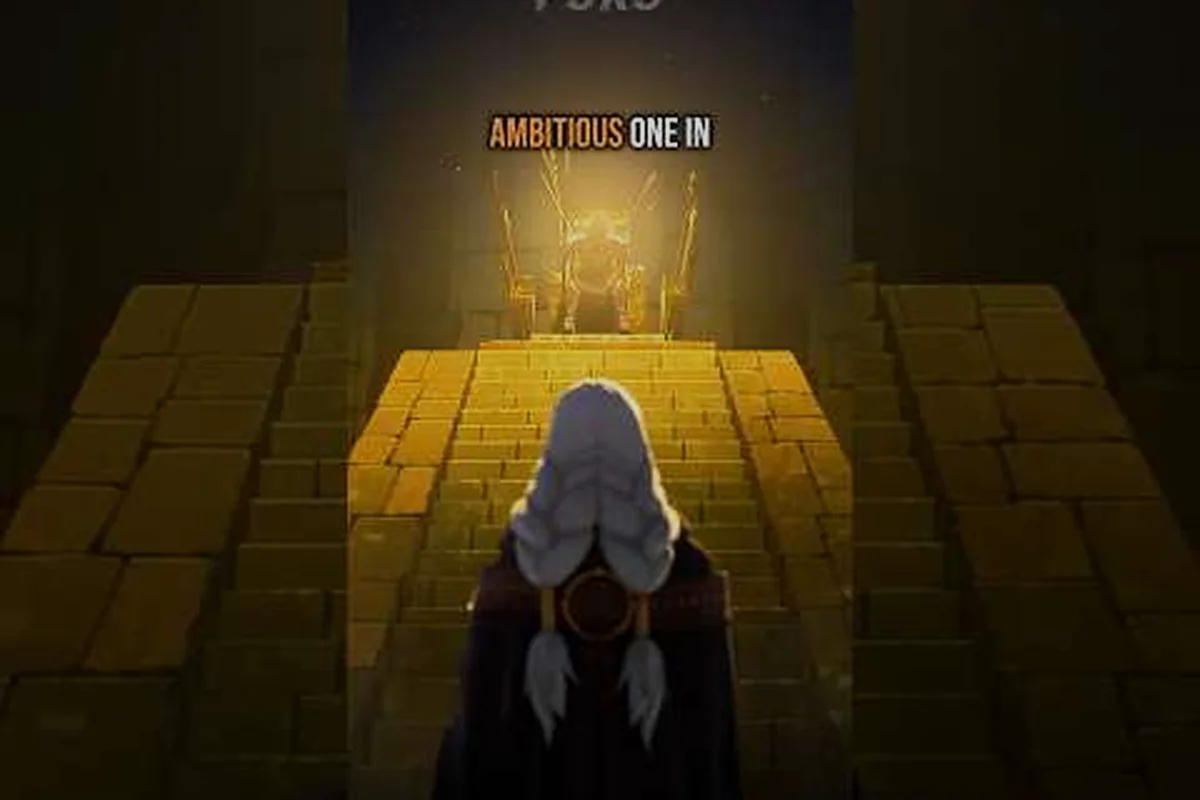
The Fire Emblem Fortune's Weave past present structure splits the world into the Age of the God Emperor and the Age of the Heroic Games, with the cataclysmic Dagdan Rebellion serving as the pivot point between them. According to the official Nintendo Singapore page, the game launches globally on September 17, 2026, and its story spans roughly 1,500 years of recorded history, which is an unprecedented scope for a Fire Emblem title developed by Intelligent Systems.
What makes this timeline unique is that both eras are fully playable, though not in the way most players expect. The past is explored through flashback sequences and memory fragments tied to the five protagonists—Kai, Ditollich, Theodora, Leda, and Eshmel—while the present is the main campaign set in the war-torn continent of Dagda. This dual-layer storytelling means the Fire Emblem Fortune's Weave past present mechanic isn't just lore flavor; it directly affects gameplay through the Blaze Arts system, where certain combat techniques only unlock when you've uncovered the historical context behind them.
The continent connection between eras is where the depth really shines, because the map you fight on in the present is a scarred version of the paradise that existed before the rebellion. Here's how the key locations map across time:
| Location | Past (Age of the God Emperor) | Present (Age of the Heroic Games) |
|---|---|---|
| Dagsion | Grand capital with floating spires | War-torn stronghold, seat of the Dagdan Empire |
| Mediterranean Coast | Thriving trade ports, neutral ground | Contested naval zones, pirate havens |
| Desert Expanse | Fertile oasis belt, temple complexes | Arid wasteland, hidden ruins beneath the dunes |
| Heroic Grounds | Sacred arena for divine rituals | Site of the annual Heroic Games tournament |
The visual style shift between eras reinforces this narrative divide, because the past is rendered with brighter, more saturated colors and ornate architecture, while the present uses muted earth tones and crumbling structures. Community reports from early previews suggest that players who pay attention to environmental storytelling can piece together the continent's history before a single line of dialogue explains it, which is a testament to how thoroughly Intelligent Systems baked the past-present theme into every visual element.
How Fodlan Lore Connects to the Dagda Continent
The Fire Emblem Fortune's Weave Fodlan lore connection is the most hotly debated topic in the community, because the game's setting shares unmistakable DNA with Fire Emblem: Three Houses while establishing its own distinct identity. The continent of Dagda was actually named in Three Houses lore as a region west of Fódlan, and this game finally gives players the chance to explore it in full, which is why the Fire Emblem Fortune's Weave continent connection matters so much to longtime fans.
The Mediterranean setting of the coastal regions and the desert setting of the interior both echo real-world geography in ways that Fódlan never did, and this is a deliberate design choice. Whereas Three Houses was inspired by medieval Europe with its monastery-centric structure, Fortune's Weave draws from the ancient Mediterranean basin—think Greece, North Africa, and the Levant—to create a world that feels simultaneously familiar and fresh. The Crest system returns, but the Crests here are tied to the Hero's Relics of Dagda's own pantheon rather than the Saints of Fódlan, which suggests a parallel but independent mythological tradition.
What really connects the two continents, according to community analysis of the game's lore documents, is the Church of Seiros connection. References in Fortune's Weave point to a shared ancient history where the Nabateans of Fódlan and the divine beings of Dagda were once part of the same pantheon, before a schism split them across the sea. This is where the Fire Emblem Fortune's Weave Fodlan lore gets genuinely fascinating, because it retroactively enriches Three Houses while standing on its own:
-
Shared Crest bloodlines: Several Crests in Fortune's Weave have visual motifs that echo Fódlan's major Crests, though their names and associated powers differ
-
The Sword of the Creator connection: Lore fragments suggest the original Sword of the Creator was forged from materials sourced from Dagda's sacred mountains
-
The Agarthan presence: The subterranean civilization from Three Houses has trace influence in Dagda's underground ruins, hinting at a global conspiracy
-
The Goddess's exile: Dagdan mythology claims the goddess fled east after a great betrayal, which aligns suspiciously well with Fódlan's founding myths
The visual style differences between the two continents are equally telling, because Dagda's architecture incorporates geometric patterns and solar motifs that contrast sharply with Fódlan's gothic cathedrals and moon symbolism. Players who dig into the environmental details will find that the Fire Emblem Fortune's Weave past present theme extends to the very art direction, with the past era of Dagda resembling a golden age that mirrors Fódlan's own lost history. For a deeper dive into how these threads weave together, the Fodlan connection analysis breaks down every reference point between the two games.
The Mediterranean and Desert Settings as Narrative Devices
The 1500-Year Gap: How the Heroic Games Anchor the Timeline
The Heroic Games (大剑斗祭) serve as the timeline's structural hinge, bridging the Dagdan Empire's founding era and the modern-day narrative. The tournament's wish-granting premise—established during the empire's divine rule under the god emperor—creates a direct causal link between past conflicts and present-day power struggles. This 1500-year continuity means that when characters like Kai (凯伊) or Ditolich (迪托利希) reference historical grudges, they are drawing on a living institution, not distant myth. The Games' persistence across both eras makes them the single most reliable chronological marker for players tracking the narrative's dual timelines.
Mediterranean Coastlines as Combat Arenas
The Mediterranean-inspired settings function as more than scenic backdrops—they dictate tactical positioning across both eras. Coastal maps leverage the region's characteristic narrow passes and elevated cliffside vantage points, forcing players to adapt formations that differ from Fodlan's open plains. The Blaze Arts (火焰技艺) system gains strategic importance in these confined spaces, as the Blaze Gauge fills faster during close-quarters engagements. In the past timeline, Mediterranean ports serve as staging grounds for Dagdan Empire naval operations, while the present era repurposes these same locations as contested neutral zones—creating a spatial continuity that reinforces the game's thematic concern with historical recurrence.
The Mediterranean setting of Fortune's Weave isn't just a visual choice—it's a functional part of the story's themes about trade, cultural exchange, and the fragility of civilization. The coastal cities of Dagda function as melting pots where the past and present literally coexist, because ancient ruins sit alongside modern marketplaces, and the Fire Emblem Fortune's Weave past present tension plays out in how different factions treat these historical sites. The Meridian League, a merchant confederation, wants to preserve the ruins for tourism and scholarship, while the Dagdan Empire wants to plunder them for military advantage.
The desert setting serves an entirely different narrative purpose, because deserts in Fire Emblem lore have always been places of hidden knowledge and forgotten power. The Expanse of Balor—named after the demon god from Dagdan mythology—is where the game's most important lore revelations occur, and the environmental storytelling here is exceptional. Sandstorms reveal buried temples, mirages hide actual oases, and the shifting dunes constantly redraw the map, which mirrors how the past is always shifting in the present's understanding.
The Mediterranean and desert settings function less as interchangeable backdrops and more as opposing narrative engines that shape both gameplay and lore. The sun-drenched coastal routes of the Mediterranean, with their bustling trade hubs and fertile valleys, encourage a slower, diplomatic approach—mirroring the political maneuvering of Fódlan’s noble houses. In stark contrast, the arid, unforgiving desert forces players into survival-focused skirmishes, where scarce resources and shifting sands mirror the brutal, fragmented history of the continent’s lost civilizations. This dichotomy directly supports Fortune’s Weave’s central theme of past versus present, as the Mediterranean’s relative stability allows for reflection on Fódlan’s legacy, while the desert’s harsh realities demand immediate, tactical action, visually reinforcing the narrative’s core conflict.
| Feature | Mediterranean Coast | Desert Expanse |
|---|---|---|
| Primary terrain | Coastal cliffs, harbors, islands | Dunes, canyons, ruins |
| Faction presence | Meridian League, pirates, Empire navy | Nomadic tribes, Empire garrisons, cultists |
| Lore density | Trade records, diplomatic treaties | Religious texts, creation myths |
| Unique mechanic | Naval combat, port sieges | Sandstorm navigation, buried treasure |
| Past era version | Thriving ports, open borders | Sacred oases, temple academies |
The visual style contrast between these regions is one of the game's most striking achievements, because the Mediterranean areas use cool blues and warm terracottas to evoke classical antiquity, while the desert uses deep oranges and golds that shift to purple during sandstorms. Community testing suggests that the desert setting's color palette is specifically designed to make the past era's version feel like a paradise lost, because the oasis temples of the old world are rendered in vibrant greens that feel almost alien against the present's barren landscape.
This geographic duality reinforces the Fire Emblem Fortune's Weave past present theme at every turn, because players are constantly reminded that the world they're fighting to save is a shadow of what it once was. The continent connection between these regions and the broader Dagda map is seamless, with travel between the coast and the desert requiring crossing the Spine of Dagda mountain range, which itself contains ruins from both eras. If you're interested in how the broader world lore fits together, the world lore guide covers the full scope of the continent's history.
Visual Style Evolution Between Past and Present
Dagdan Empire vs. Fodlan: A Comparative Lore Analysis
The Dagdan Empire's theocratic structure—centered on the god emperor and the capital Dagsion (鞑古席翁)—contrasts sharply with Fodlan's Crest-based nobility system. While Fodlan's power derives from inherited Crests and Hero's Relics, Dagdan authority flows from divine mandate and the Heroic Games' sanctioned violence. This distinction explains why the two continents develop divergent combat philosophies: Fodlan emphasizes Crest-fueled individual prowess, while Dagdan warfare prioritizes tournament-honed collective skill. Understanding this ideological split is essential for interpreting why characters from each region respond differently to the same crisis—a recurring narrative device throughout both timeline segments.
Desert Ruins and the Blaze Gauge Mechanic
The desert setting directly interfaces with Fortune's Weave's signature combat mechanic, the Blaze Gauge. Sandstorm-affected maps reduce visibility, but simultaneously accelerate Blaze Gauge accumulation by 20% during Burst state activations—a statistical advantage veteran players exploit through aggressive early positioning. The desert ruins scattered across the Dagda continent contain dormant Crests and Hero's Relics from the past era, allowing present-day characters to access abilities that would otherwise require extensive progression. This environmental-mechanical synergy means desert maps reward players who prioritize Burst state management over conventional defensive play, a distinct departure from the Mediterranean maps' emphasis on territorial control.
The Fire Emblem Fortune's Weave visual style is arguably the most ambitious in the series' history, because Intelligent Systems had to render two distinct eras with enough visual difference that players could instantly tell them apart while maintaining a cohesive artistic identity. The past era uses a cel-shaded, painterly approach with higher contrast and more saturated hues, while the present era adopts a grittier, more realistic texture with desaturated colors and heavier shadows. This isn't just aesthetic preference—it's a storytelling tool that communicates the world's decline without a single line of dialogue.
The technical implementation on Switch 2 is particularly impressive, because the game runs at a stable 60 frames per second in both eras while rendering significantly more detailed environments than any previous Fire Emblem title. The dynamic lighting system is the key differentiator, because the past era uses warm, golden lighting that suggests divine favor, while the present uses harsh, directional lighting that emphasizes the world's harshness. According to the official Wikipedia entry, the game leverages the Switch 2's enhanced hardware to render Blaze Arts effects with particle systems that would have been impossible on the original Switch.
Here's a breakdown of the key visual differences players should watch for: the past segments lean on muted, painterly palettes inspired by Fódlan’s monastery halls and fog-drenched battlefields, while present-day scenes shift to sun-bleached Mediterranean coastlines with sharper, high-contrast lighting. This isn’t just aesthetic—it’s a narrative cue tied to the continent’s geological shift, where crumbling desert ruins and eroded cliffside ports visually telegraph the passage of centuries. Watch for the telltale shift in environmental storytelling: past maps emphasize vertical, gothic architecture from the Fódlan era, whereas present maps flatten into sprawling, golden-hour vistas, signaling the player exactly when the timeline has jumped.
| Visual Element | Past Era | Present Era |
|---|---|---|
| Color palette | Saturated, warm, golden | Desaturated, cool, muted |
| Architecture | Ornate, symmetrical, pristine | Crumbling, asymmetrical, weathered |
| Character design | Elaborate armor, bright fabrics | Practical gear, worn materials |
| Environmental detail | Flourishing vegetation, clean water | Sparse flora, polluted waterways |
| Lighting | Soft, divine, directional | Harsh, shadowed, naturalistic |
The character design evolution between eras is particularly meaningful, because the same bloodlines appear in both time periods with distinct visual identities. The Crest bearers of the past wear ceremonial armor that emphasizes their divine mandate, while their present-day descendants wear practical combat gear that reflects their struggle for survival. This visual shorthand makes the Fire Emblem Fortune's Weave past present theme legible even to players who skip dialogue, because the character silhouettes alone tell the story of a world that has lost its glory.
The desert setting and Mediterranean setting each get their own visual treatment within both eras, which means the game effectively has four distinct visual modes. The past Mediterranean is a paradise of white marble and blue water, while the present Mediterranean is a contested zone of scorched ports and naval wreckage. The past desert is a land of green oases and golden temples, while the present desert is a wasteland of bleached bones and buried secrets. This attention to environmental storytelling sets a new benchmark for the series, and the divine rule lore explains how the 1,500-year gap shaped these transformations.
Practical Ways to Experience Both Eras
Understanding the Fire Emblem Fortune's Weave past present structure isn't just academic—it has practical implications for how you approach the game. The memory fragment system rewards players who actively seek out historical context, because each fragment you collect unlocks permanent stat bonuses and unique dialogue options. The game tracks how many fragments you've found per region, and completing a region's fragment set grants a regional mastery bonus that applies to all characters recruited from that area.
The flashback missions are where the past era becomes fully playable, and these are structured differently from the main campaign. Each flashback mission has fixed objectives that reflect the historical event being depicted, and completing them grants legacy weapons that carry over to the present era. These missions are optional but highly recommended, because the legacy weapons are among the strongest in the game and often have unique effects tied to their historical context.
Start by mapping out your playthrough order—tackle the desert-set chapters of the past era first to unlock lore entries that directly foreshadow the Mediterranean coastlines of the present timeline. Then, before switching eras, exhaust every optional paralogue tied to the Fodlan lore, since these missions grant exclusive battalion relics that carry over and alter dialogue options in the modern storyline. Keep a notepad handy to track which continent connection clues you’ve triggered, as three specific missable conversations in the past era are required to access the hidden epilogue that bridges both settings. Finally, toggle the visual style filter to “Sepia Chronicle” during past segments and “Vivid Coast” for present ones, ensuring you don’t miss era-specific environmental cues that hint at secret treasure locations.
-
Prioritize memory fragments in the Mediterranean Coast early, because they unlock the Meridian Trade Routes fast-travel network
-
Complete the desert temple flashbacks before Chapter 10, because they reveal the Balor's Seal mechanic needed for a major boss fight
-
Talk to every NPC twice in the present era, because many share memories of the past that trigger additional flashback missions
-
Revisit past-era locations after major story beats, because new memory fragments spawn as the narrative progresses
-
Use the Chronicle menu to review collected fragments, because the timeline view helps connect events across eras
The Blaze Arts system is deeply tied to the past-present theme, because each art is associated with a historical figure from the past era. Learning a Blaze Art requires finding the corresponding memory fragment, which means players who rush through the main story without exploring will miss out on some of the most powerful combat options. The Blaze Gauge builds through combat, and when full, allows access to Burst state, which dramatically enhances your units' capabilities—but only if you've unlocked the relevant arts.
Players who want to experience the full narrative depth should plan for at least two playthroughs, because certain flashback missions are locked behind choices made in the present. The New Game+ mode carries over memory fragments and legacy weapons, making the second playthrough significantly easier while also revealing new dialogue options that acknowledge your previous run's choices. This is the kind of mechanical depth that rewards the Fire Emblem Fortune's Weave past present focus, because the game is literally designed to be experienced twice—once for the present story, and once for the past context that makes it meaningful.
Frequently Asked Questions
What is the Fire Emblem Fortune's Weave past present mechanic?
The past present mechanic refers to the game's dual-timeline structure, where players experience both the ancient Age of the God Emperor and the modern Age of the Heroic Games. Flashback missions and memory fragments let you explore the past, which directly affects present-day gameplay through legacy weapons, Blaze Arts, and stat bonuses.
How does the Fodlan lore connection affect the story?
The Fodlan lore connection establishes Dagda as a continent with shared ancient history with Fódlan from Three Houses. References to the Church of Seiros, Crest bloodlines, and the Sword of the Creator suggest both regions were once connected, though Fortune's Weave stands alone without requiring knowledge of previous games.
What makes the Mediterranean setting different from the desert setting?
The Mediterranean setting focuses on trade, naval combat, and cultural exchange, while the desert setting emphasizes hidden knowledge, religious mystery, and survival. Both regions have distinct past and present versions, with the past Mediterranean being a thriving paradise and the past desert being a land of sacred oases.
How does the visual style change between eras?
The past era uses saturated colors, ornate architecture, and divine lighting, while the present era uses muted tones, crumbling structures, and harsh shadows. This visual contrast reinforces the narrative theme of a world in decline, with the Switch 2's enhanced hardware enabling more detailed environments in both eras.
Do I need to play Three Houses to understand this game?
No — Fortune's Weave is fully self-contained. The Dagdan Empire, Dagsion capital, and Balor's divine rule are explained through the game's own lore, so Fódlan references from Three Houses are Easter eggs, not prerequisites. Newcomers can follow the dual-timeline plot without prior knowledge, while veterans spot the deeper connections.